Why Most RevOps Teams Fail Before They Start
Companies don’t fail at Revenue Operations because they lack tools.
They fail because they lack alignment, discipline, and shared operating principles.
So they do what seems logical:
- Hire a Head of RevOps
- Buy new tools
- Launch dashboards
And then…
Nothing really changes.
Because RevOps is not a function you install.
It’s a system of thinking you embed.
If you build the team before the culture, you don’t get leverage.
You get another silo.
What “RevOps-First” Actually Means
A RevOps-first culture is one where:
- Revenue is managed as a system, not departments
- Data, not opinions, drive decisions
- Processes designed intentionally, not inherited
- Accountability spans the entire lifecycle, not just functions
It’s the difference between:
Fragmented GTM Model
- Marketing generates leads
- Sales closes deals
- CS handles customers
RevOps-First Model
- One continuous system:
Lead → Opportunity → Revenue → Expansion
The Core Shift: From Functions to Flow
Most organizations are structured like this:
Marketing → Sales → Customer Success
But revenue doesn’t behave like an org chart.
It behaves like a flow system.
“From Silos to System”
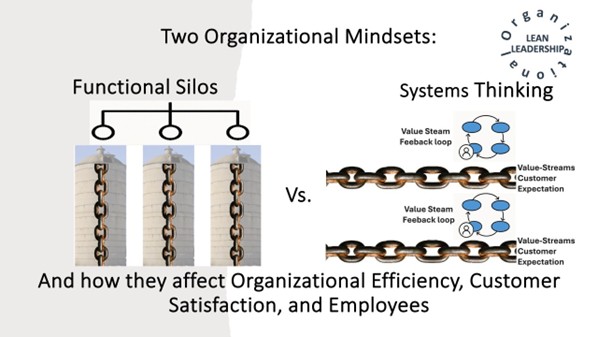
In a RevOps-first culture:
- Handoffs become continuity
- Metrics become shared
- Ownership becomes collective
Why Culture Comes Before Team
Here’s the hard truth:
If your organization doesn’t value process, data, and alignment…
RevOps will be ignored, bypassed, or overridden.
You’ll see:
- Reps ignoring CRM requirements
- Leaders overriding forecasts
- Teams creating shadow systems
- Endless debates over “whose number it is.”
In that environment, RevOps becomes:
A reporting function, not a transformation function
The 5 Foundations of a RevOps-First Culture
You don’t need a team to start.
You need operating principles.
1. One Revenue Language
If teams define pipeline, stages, or conversion differently…
You don’t have alignment.
You have chaos.
What to do:
- Standardize lifecycle stages
- Define clear entry/exit criteria
- Align on shared KPIs
If it’s not defined the same way, it’s not the same thing.
2. System of Record = Source of Truth
Most companies say CRM is the source of truth.
Few actually operate that way.
Reality:
- Spreadsheets override CRM
- Slack becomes a decision-making layer
- Forecasts live in decks, not systems
What to do:
- Enforce CRM as the single source of truth
- Eliminate shadow reporting
- Tie decisions to system data
3. Process Before Tools
Tools amplify whatever process exists.
Good or bad.
Common mistake:
- Buying tools to fix broken processes
What to do instead:
- Map the revenue lifecycle
- Identify friction points
- Design workflows intentionally
Then—and only then—implement tools.
4. Accountability Across the Lifecycle
Revenue breaks at the seams between teams.
So accountability must span those seams.
Example:
- Marketing owns pipeline creation
- Sales owns conversion
- CS owns retention
Sounds logical.
But in reality:
Everyone owns revenue. Or no one does.
What to do:
- Introduce shared metrics (e.g., pipeline quality, conversion rates)
- Align incentives across teams
- Track end-to-end performance
5. Inspection > Assumption
In most GTM orgs:
- Forecasts are debated
- Pipeline is “interpreted.”
- Data is questioned
This is a symptom of low trust.
RevOps-first cultures operate differently:
- Inspect data regularly
- Audit process adherence
- Identify breakdowns early
You don’t manage what you assume.
You manage what you inspect.
The “Pre-Team” Operating Model
Before hiring a RevOps team, establish this lightweight structure:
The Revenue Council
A cross-functional group:
- Marketing leader
- Sales leader
- CS leader
- Ops-minded owner (can be interim RevOps)
Responsibilities:
- Define and maintain the revenue process
- Align on metrics and definitions
- Review pipeline and forecast integrity
- Govern changes to systems and workflows
“RevOps Governance Layer”
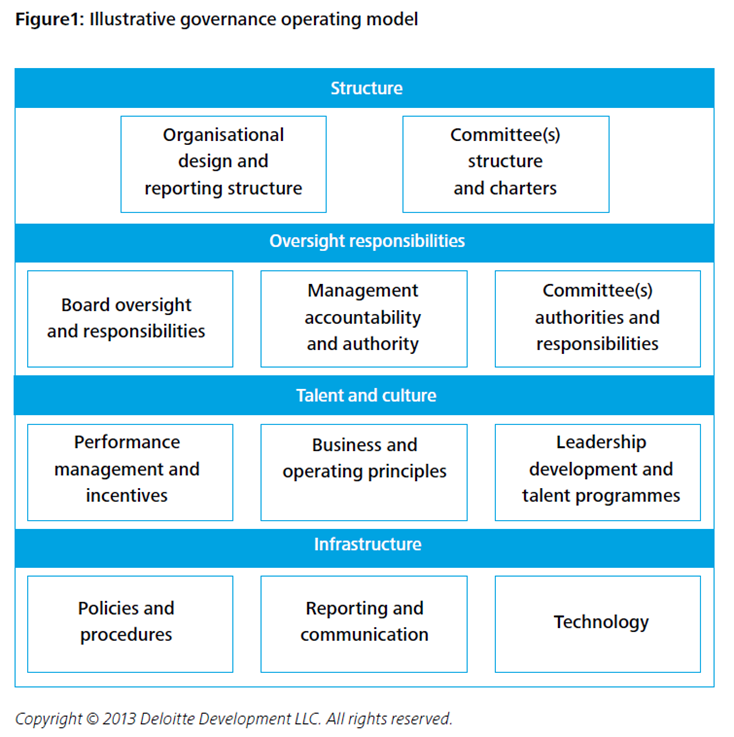
This creates: Structure before scale.
The Anti-Pattern to Avoid
Let’s be direct.
This is what most companies do:
- Hire RevOps
- Expect immediate impact
- Continue operating the same way
- Blame RevOps when nothing changes
This fails because:
- RevOps cannot override culture
- RevOps cannot enforce discipline alone
- RevOps cannot fix misaligned incentives
When You’re Ready to Build the Team
You’ll know you’re ready when:
- Leadership aligns on a single revenue model
- Teams agree on shared definitions
- CRM is trusted (or moving toward trust)
- There is demand for optimization—not just reporting
At that point, RevOps becomes:
A force multiplier, not a cleanup crew
The Payoff: What a RevOps-First Culture Unlocks
When culture comes first:
Before
- Siloed decisions
- Conflicting data
- Reactive execution
- Slow scaling
After
- Unified strategy
- Trusted data
- Proactive management
- Scalable growth
Final Thought
You don’t build a RevOps team to create alignment.
You build alignment so a RevOps team can create impact.
Because in the end:
RevOps is not a department.
It’s how a company decides to generate revenue.